Sculptra: the biostimulator that rejuvenates your skin from the inside out
Do you want to address sagging skin or loss of volume in your face, but would prefer not to have an immediately visible filler result? Sculptra works differently than traditional fillers. This treatment, which uses poly-L-lactic acid, stimulates your skin to produce new collagen on its own. As a result, the results develop gradually. In this blog, you’ll learn how Sculptra works, who it’s suitable for, and what results you can expect.
The Treatment
What is Sculptra?
Sculptra is a biostimulator based on poly-L-lactic acid (PLLA). This biodegradable substance has been used in the medical field for many years. In aesthetic medicine, Sculptra is used to stimulate collagen production in the skin and gradually restore lost volume.
That’s what sets Sculptra apart from treatments that produce an immediate plumping effect. Your skin has time to respond to the treatment on its own. The goal is firmer skin, better support for your facial contours, and a gradual improvement that complements your natural appearance.
With Sculptra, the results come not primarily from the injected volume, but from the collagen your skin produces in the period following the treatment.


How It Works
How does Sculptra stimulate collagen production?
Collagen is an important protein that gives your skin firmness and structure. As you get older, collagen levels gradually decrease. As a result, your skin may lose some of its firmness, and the contours of your face may change.
During a Sculptra treatment, the doctor injects poly-L-lactic acid into the tissue. This stimulates a response in the body that involves, among other things, fibroblasts. These cells play an important role in collagen production. As the poly-L-lactic acid is gradually broken down, new collagen can help improve firmness and volume.
This process takes time. Immediately after treatment, the area may appear temporarily fuller due to the injected fluid and any swelling. This is not the same as the final collagen result.
The Differences
How is Sculptra different from other fillers?
Although both treatments involve injections, their mechanisms of action are different. Hyaluronic acid fillers typically provide immediately visible volume. Sculptra, on the other hand, stimulates the gradual production of collagen, so the final result develops over a longer period of time.
| Sculptra | Hyaluronic Acid Fillers | |
|---|---|---|
| Active ingredient | Poly-L-lactic acid (PLLA) | Hyaluronic Acid |
| Operation | Promotes collagen production | Adds instant volume |
| Result | Develops gradually | Usually visible right away |
| Treatment Goal | Gradual firming and volume restoration | Targeted Volume and Contour Enhancement |
| Adjust | Achieving results takes time and careful planning | Depending on the product, this can sometimes be resolved with hyaluronidase |
Which treatment is better depends on what you want to change. Is there a specific contour that bothers you, and do you want to see immediate results? If so, a hyaluronic acid filler might be a better fit. If you’re mainly concerned with gradual volume loss and are looking for a more subtle approach, Sculptra might be worth considering.
Suitability
Who is Sculptra suitable for?
Sculptra may be an option if you notice that your face is gradually losing volume or that your skin is becoming less firm. Examples include a changing cheek contour or a face that looks less full than it did a few years ago.
- For loss of volume: when your face loses its natural fullness.
- When firmness decreases: when your skin seems to have less support.
- If you want gradual change: when you’d rather not see a clearly visible difference all at once.
- If long-term results are important to you— and you’re willing to let the effects build up gradually.
Not every type of sagging skin or loss of volume can be improved with Sculptra. In cases of severely sagging skin, certain medical conditions, or specific treatment areas, another treatment may be more appropriate. The doctor will therefore first assess whether your skin, health, and expectations are suitable for this treatment.

The Process
What does a Sculptra treatment involve?
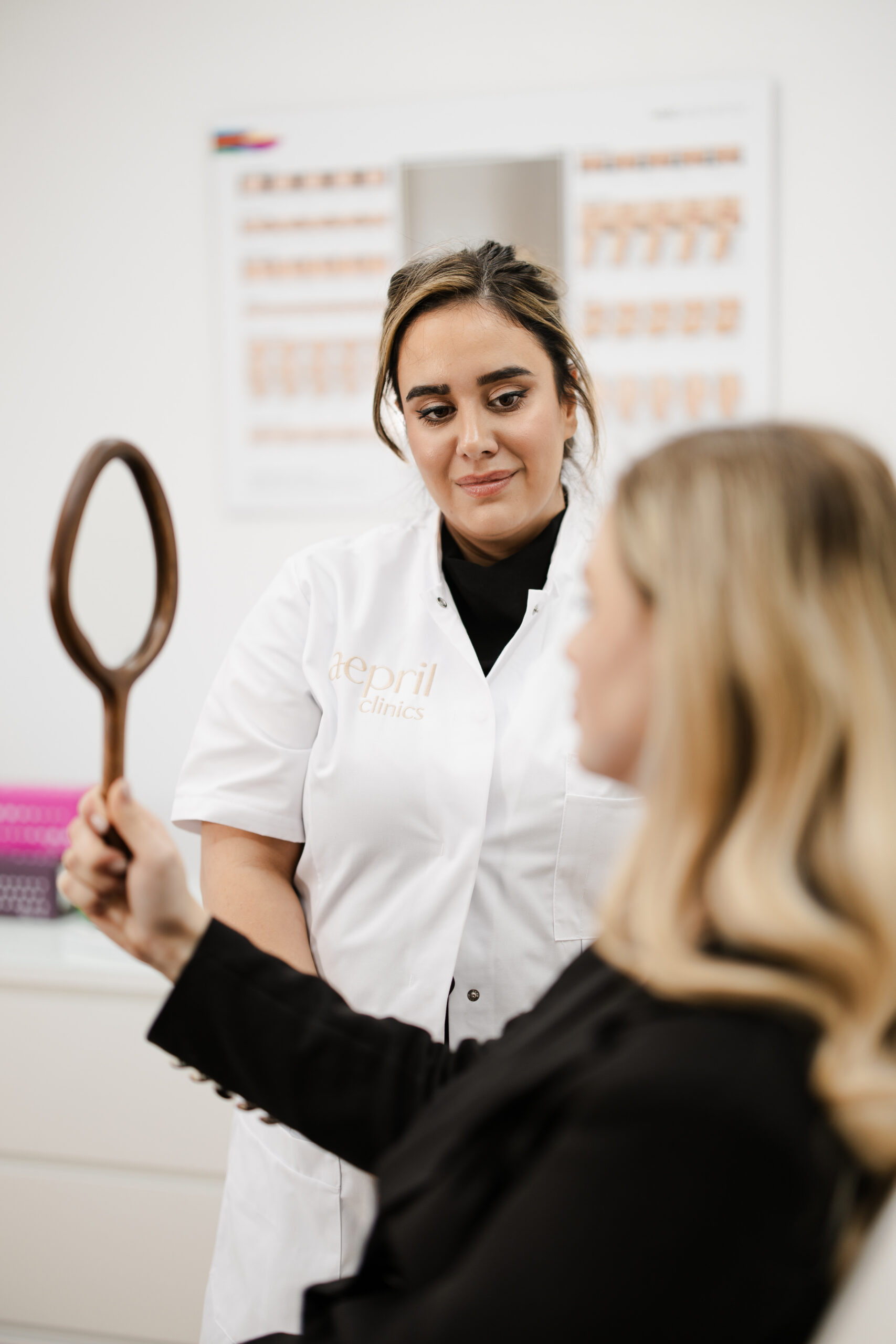
A Sculptra treatment begins with a consultation. The doctor examines where volume has been lost, evaluates your skin, and discusses what results are achievable. Next, they determine which areas can be treated and how many sessions are likely to be needed.
- Consultation: We’ll discuss your needs, health, previous treatments, and expectations.
- Treatment Plan: The doctor determines the appropriate areas and the amount of product to use.
- Injections: Sculptra is injected into the tissue at the correct depth.
- Aftercare: You’ll receive instructions on, among other things, how to massage the treated areas.
- Follow-up and evaluation: After a few weeks, the doctor will assess the patient’s recovery and determine whether additional treatment is needed.
It often takes several sessions to achieve the desired result. The manufacturer recommends an average of two to three treatments, spread out over a few months. The exact number depends on your initial condition and the doctor’s treatment plan.
The result
When will you see results from Sculptra?
Sculptra requires patience. You won’t see the final results right away, because it takes time for new collagen to form. Over the first few weeks and months, your face may gradually become fuller and firmer. Some people notice a difference sooner than others.
It is therefore important not to evaluate the results immediately after the injections. A temporarily fuller face caused by the injected fluid or swelling does not say much about the final result. The true evaluation takes place once the skin has had sufficient time to respond to the treatment.
How long do the effects of Sculptra last?
Sculptra is known for its long-lasting effects. According to the manufacturer, the results can remain visible for up to about two years. The exact duration of the effects varies from person to person and depends on factors such as the treatment regimen, skin condition, and natural aging.
Sculptra is particularly appealing if you prefer a gradual change rather than an immediately visible result.


Safety
What are the side effects and risks of Sculptra?
As with other injection treatments, you may experience temporary redness, swelling, tenderness, or bruising after Sculptra. Small lumps may also form under the skin. Sometimes these don’t become noticeable or visible until later. That’s why proper injection technique, appropriate treatment areas, and good aftercare are important.
Not every area is suitable for treatment with Sculptra. Additionally, the product is not intended to be dissolved in the same way as a hyaluronic acid filler. Therefore, be sure to discuss your medical history, allergies, and any previous treatments with your doctor beforehand. If you experience persistent, worsening, or unexpected symptoms, contact your healthcare provider.
Why is massage important after Sculptra treatment?
After a Sculptra treatment, you’ll receive specific instructions on how to massage the treated area. A common recommendation is to massage the area for five minutes, five times a day, for five days. This helps distribute the product evenly. Always follow the instructions provided by your treating physician, as aftercare may vary depending on the treatment area.
Frequently Asked Questions
Frequently Asked Questions About Sculptra
No. Sculptra contains poly-L-lactic acid and stimulates collagen production. Hyaluronic acid fillers typically add volume immediately. Sculptra works gradually.
Multiple treatments are often necessary. The manufacturer recommends an average of two to three sessions spread out over several months. Your doctor will determine what is best for your situation.
The results develop gradually because the skin needs time to produce collagen. Changes may become visible in the weeks and months following treatment.
According to the manufacturer, the effects can last for up to about two years. The duration of the effects varies from person to person and also depends on the treatment regimen.
Sculptra cannot be dissolved with hyaluronidase in the same way as a hyaluronic acid filler. That is why a careful treatment plan and realistic expectations are important.


Costs
What does a Sculptra treatment cost?
The cost of Sculptra depends, among other things, on the amount of product used and the number of sessions required. Because the results develop gradually, a treatment plan may consist of several appointments.
Check out the current prices on our pricing page. During the consultation, we’ll discuss how much product is recommended for your situation and the associated costs. That way, you’ll know exactly what to expect in advance.
Schedule a consultation
Have you noticed that your skin is losing its firmness or that your face is losing volume? During a no-obligation consultation at Aepril Clinics in Utrecht or Hengelo , we’ll discuss your goals and determine which treatment is right for you. Be sure to ask about the current availability of Sculptra.