Bruxism and Botox: How Do You Relax an Overactive Jaw Muscle?
Teeth grinding or constantly clenching your jaws can cause significant tension. This can lead to jaw pain, headaches, or sensitive teeth—sometimes without you immediately knowing where the symptoms are coming from. Botox injections into the masseter muscles can temporarily relax the overactive chewing muscles. In this blog, you’ll learn how to recognize bruxism, how the treatment works, and what to expect.

Recognition
How do you know if you grind your teeth?
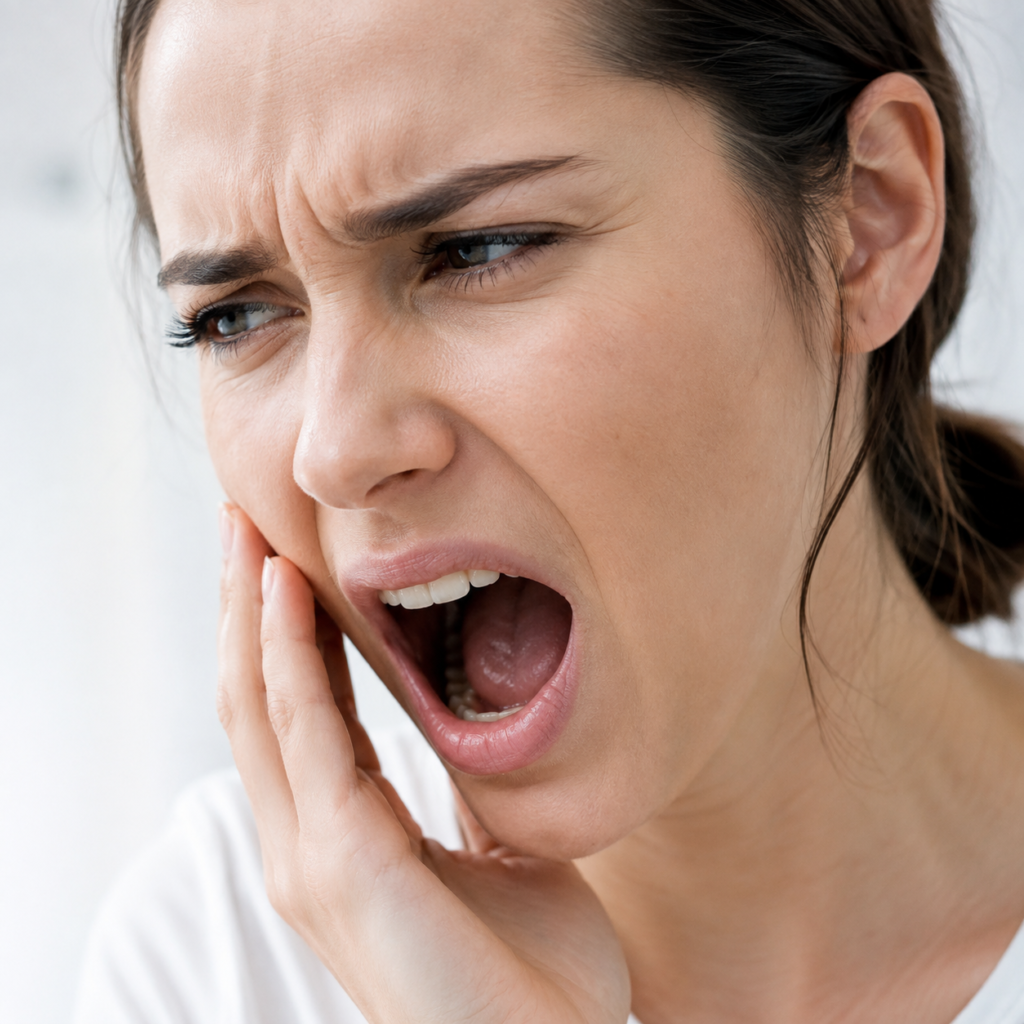
Teeth grinding often occurs during sleep. As a result, you may suffer from it for a long time without even realizing what’s happening. Sometimes it’s your partner who first notices the grinding sound.
Symptoms that may be associated with bruxism include, for example:
- Waking up with a tight or painful jaw;
- Headaches upon waking;
- Sensitive or worn teeth;
- Pain or fatigue around the jaw;
- Unconsciously clenching your jaws tightly together.
Do you recognize these symptoms? That doesn’t automatically mean that bruxism is the cause. It’s important to have the symptoms thoroughly evaluated first.
Muscle Activity
What happens to your jaw when you have bruxism?
Teeth grinding and clenching involve repeated or prolonged activity of the chewing muscles. One of the main muscles involved is the masseter, which is located on both sides of the jaw and aids in chewing.
When this muscle is tensed frequently, it can become very developed. This can not only cause tension but also affect the shape of the face. For example, a highly developed masseter muscle can make the lower part of the face appear wider.
That immediately explains why treatment of the masseter muscles can serve both a functional and an aesthetic purpose.
Treatment
How does Botox help with teeth grinding?
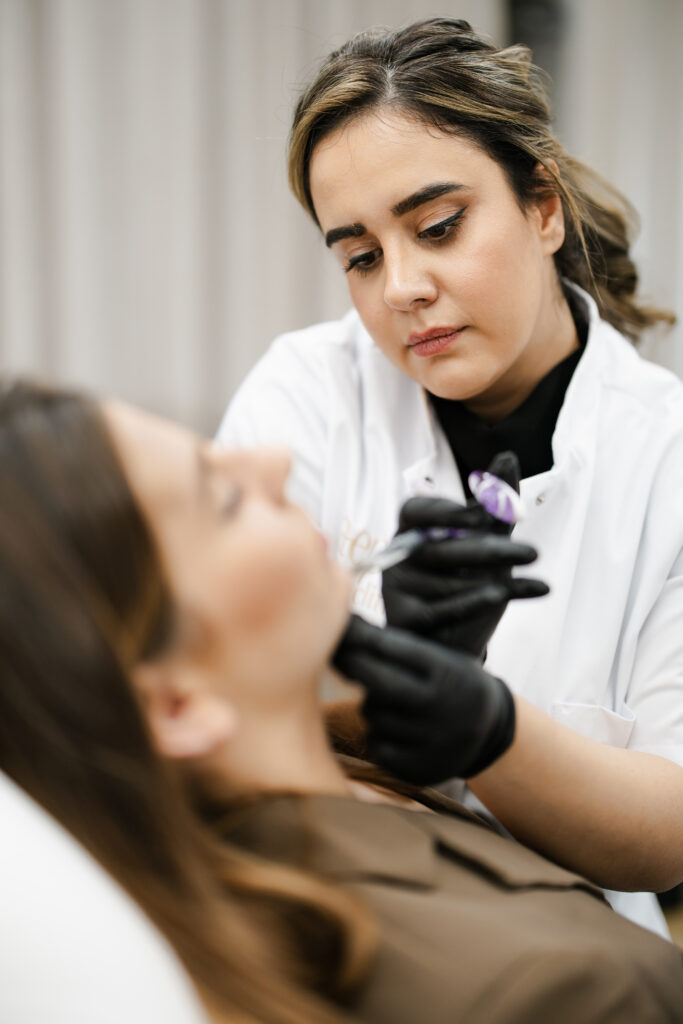
During the procedure, Botox is injected into carefully selected areas of the masseter muscles. This temporarily reduces excessive muscle activity. The goal is not to completely immobilize the jaw—you should, of course, still be able to talk and chew normally.
By causing the muscle to contract less forcefully, grinding or clenching can be reduced, and symptoms associated with that overactivity can be alleviated.
Important: Botox targets the activity of the jaw muscle, but it does not automatically address every possible cause of teeth grinding. That is why we first assess your symptoms and discuss whether this treatment is appropriate for your situation.
Expectations
What can you expect after treatment?
Botox doesn’t take effect immediately after you leave the clinic. The effects develop gradually after the treatment. You may then notice that your jaws don’t clench as tightly and feel more relaxed. The results vary from person to person, since the level of muscle activity and the symptoms aren’t the same for everyone.
During a follow-up visit, we can assess how you have responded to the treatment.
Contour
Is masseter Botox only intended to treat teeth grinding?
No, Botox is also used in the masseter muscles when someone experiences a lot of jaw tension without actually grinding their teeth. In addition, the treatment can have a cosmetic effect. When well-developed masseter muscles become less active, the jawline may appear slimmer and less wide over time.
The starting point therefore varies from person to person:
Bruxism or clenching the jaw
→ reduced excessive muscle activity and tension
Highly developed masseter muscles
→ a softer, slimmer lower face
Sometimes both of these concerns come into play at the same time. That’s why, during the consultation, we discuss not only the appearance of your jaw, but also the symptoms you’re experiencing.
Alternatives
Botox, a mouthguard, or another approach?
Not every type of teeth grinding requires the same treatment. For example, a mouthguard can be used to protect the teeth during grinding, while Botox targets the activity of the chewing muscles.
The best course of action, therefore, depends on your symptoms and their cause. For example, if you have damage or wear and tear on your teeth, it’s a good idea to discuss this with your dentist as well.


Rates
How much does Botox for teeth grinding cost?
The amount of Botox needed depends, among other things, on the strength and size of the masseter muscles. That’s why we first assess your situation before recommending a treatment.
On our rates page, you’ll find the current prices, so you’ll know what to expect in advance.
Do you suffer from jaw tension or teeth grinding?
Do you find yourself walking around with clenched jaws or grinding your teeth, and would you like to know if Botox could help you? During a consultation, we’ll discuss your symptoms, assess your masseter muscles, and give you honest advice about your options.